The Ultimate Guide to Building and Scaling D2C Brand in 2026
Harsh
Digital Triangle
Introduction
Look, D2C isn't just a cute trend anymore. It's how retail works now. Setting up a Shopify store in 2026 takes maybe two hours. But actually scaling it? That's a nightmare. Buying ads on Instagram burns cash faster than ever. Shoppers are ridiculously impatient. They want their stuff delivered in ten minutes, not ten days.
If your whole strategy is just throwing money at Facebook ads, you're going to fail. The founders who are actually making money right now do things differently. They build multi-channel machines. Consumer habits shifted hard recently. Someone sees a video on social media, opens a quick commerce app, and buys it right there. This guide strips away the fluff. We are breaking down exactly how to build a profitable direct-to-consumer machine from scratch today, without bleeding cash.
What is a D2C Brand?
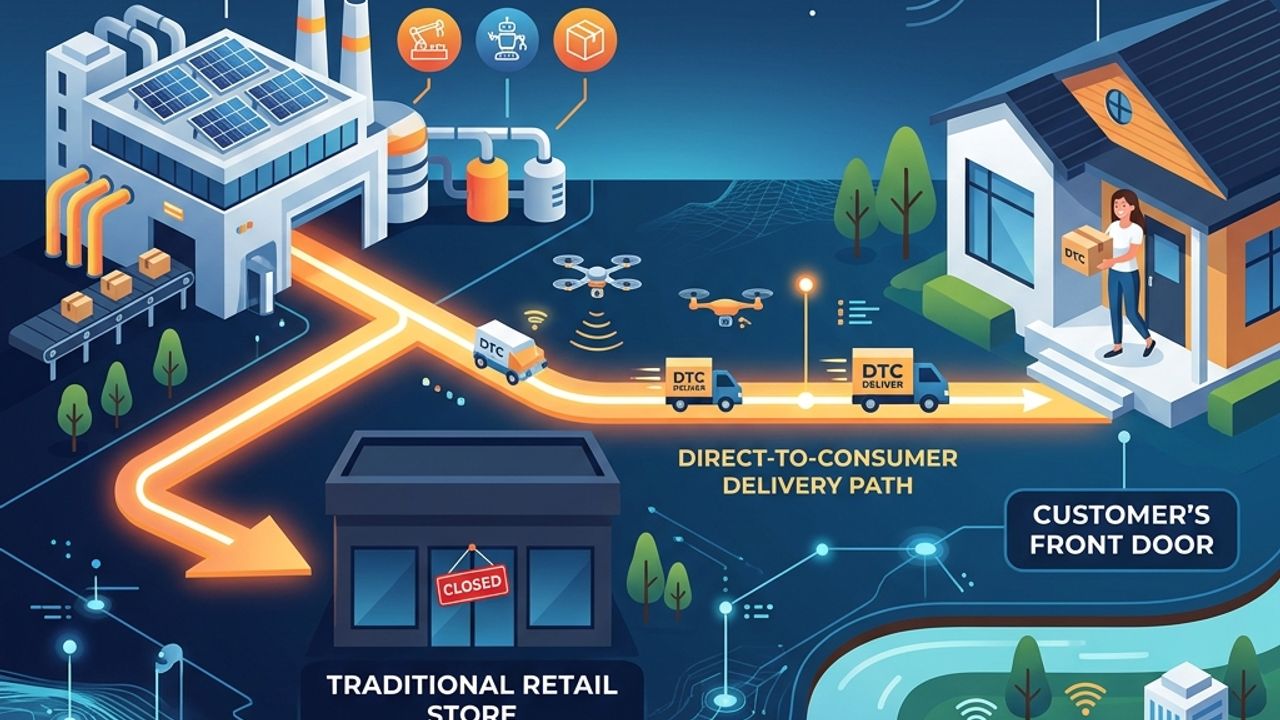
Direct-to-consumer means exactly what it sounds like. You make a thing, and you sell it directly to the person using it. No wholesalers. No greedy distributors. You skip traditional retail stores completely. By cutting out all those middlemen, you keep the power. You set the price, you design the packaging, and best of all, you own the customer list.
When you control the checkout, you know exactly who is handing you money. You can hit them up for feedback. If a product sucks, you fix the formula the next week. That is how you build an asset. Traditional retail hides your own buyers from you behind big department store shelves.
How does D2C Compare to Other Retail Models?
Your distribution path completely changes your profit margins. Let's look at how these models compare.
D2C (Direct-to-Consumer): - You own the brand, the site, and the data 100%. Profit margins are super high because you don't pay middleman fees. But, you have to handle all the messy delivery and reverse logistics yourself. You talk directly to your buyer.
Traditional Retail: - You have low control. The store decides where you sit on the shelf. You get zero data about who buys your stuff. Margins are low because the retailer takes a massive cut. But hey, they handle shelf stocking and sales.
B2C (Business-to-Consumer): - Moderate control and moderate margins. You share the distribution fees. You get minimal customer data, usually just wholesale order logs. Wholesalers handle the regional supply chains.
Marketplace Model: - You are bound by the platform's templates. You get zero user profiles because Amazon or Flipkart owns that data. Margins are okay, but commissions eat into them. The platform handles the logistics if you pay them to.
Why D2C is Growing Rapidly in India
The Indian D2C space is exploding. We are looking at a 100 billion dollar market very soon. And no, it's not just a Mumbai or Delhi thing. Tier-2 and tier-3 towns actually drive more than half of all online orders now.
Here is what's really fueling this fire:
Affordable data and phones mean millions of brand new shoppers come online every month.
UPI made paying stupidly easy. Buyers tap a screen once, and the money moves.
ONDC completely changed the game. Tiny sellers can list products on a massive, shared network.
People discover cool stuff and buy it right inside social apps. It's highly visual.
Quick commerce apps (like Blinkit) drop groceries at your door in ten minutes. It created entirely new ways to distribute physical goods.
Algorithms push the exact right product to a user based on their search history.
Video creators review stuff online, which instantly builds trust for unknown labels.
Benefits of the D2C Business Model
Skipping the middlemen gives you insane leverage. Here is why founders take this route:
You keep the full retail markup. Nobody gets a cut of your hard work.
You talk directly to the buyer. No annoying third party in the way.
You grab emails and phone numbers. This makes your marketing deadly accurate later on.
Product not working? Change it in a month. Good luck doing that with a massive retail contract.
You can hand out perks and build reward programs. Buyers get hooked.
Your website shows custom recommendations based on what that specific person clicked a minute ago.
Repeat buyers keep returning. That high lifetime value (LTV) is what actually makes you rich.
Challenges of Building a D2C Brand
Let's be clear. This is not easy money. The operational headaches will drain your bank account if you get sloppy. Prepare for these nightmares:
Ads on Meta and Google are insanely expensive. The war for attention is brutal.
Packing single boxes and shipping them to thousands of random homes requires heavy warehouse organization.
Cash-on-delivery (COD) returns in India routinely hit 30 percent. Failed deliveries will eat your shipping budget alive.
You buy stock upfront. If it doesn't sell, your cash is literally stuck in a cardboard box.
If a customer buys from you once and leaves, you lose money. You absolutely must secure that second order.
Step-by-Step Process to Build a D2C Brand
Building a real company takes grit. Here is a raw ten-step roadmap to get moving:
1. Choose Your Niche
Don't sell everything to everyone. Find a specific problem that bothers people. Think organic baby soap or a weirdly specific kitchen tool. Nail one single product first.
2. Do Your Homework
Check marketplaces to see what competitors charge. Read their one-star reviews. Find out exactly what buyers hate about the current options on the market.
3. Validate the Demand
Spin up a basic landing page and run a few tiny test ads. See if people actually click the buy button before you wire thousands to a factory.
4. Position Your Brand
Nail down your vibe. Figure out exactly why someone should pick you over a low price knockoff from overseas.
5. Develop the Product
Source raw materials and find a manufacturing partner you trust. Make sure your packaging hits all the local safety rules.
6. Set Your Pricing
Price it right. You have to cover production, shipping, ads, and those annoying payment gateway fees while protecting your margins.
7. Build Your Shopify Site
Pick a clean, fast mobile theme. Keep the menus simple and limit the clicks required to check out.
8. Set Up Payments
Set up gateways that handle UPI, credit cards, and cash-on-delivery without crashing during checkout.
9. Pick Your Logistics Partners
Hook up with shipping aggregators. You need access to multiple courier networks on day one to handle the volume.
10. Launch Your Brand
Fire off some creator partnerships, turn on your search ads, and hunt down those first hundred orders.
How to Build a High-Converting D2C Website
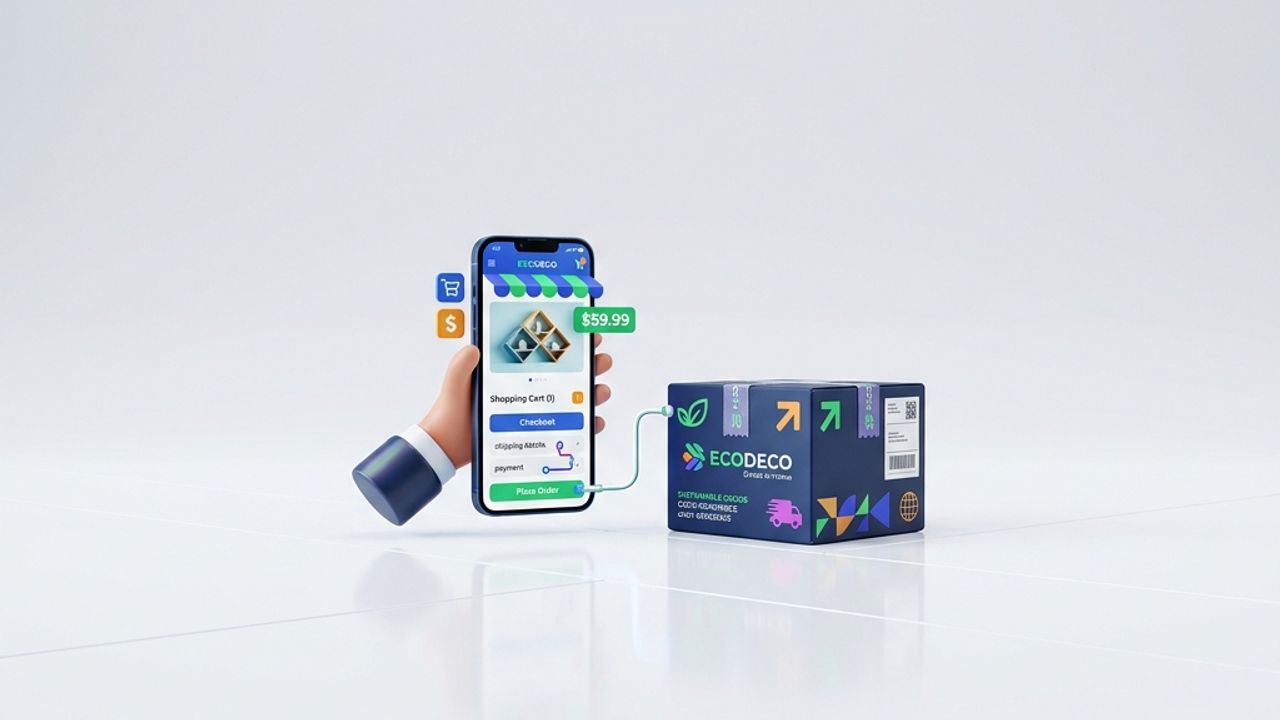
Your site has one job: turn random clicks into cash. Tiny tweaks can double your conversion rate overnight. Focus on these things:
State what you sell in three seconds flat on the homepage. Put your best-sellers up top.
Add smart price and size filters on your collection pages. Use ultra-crisp images that show off details.
Bullet points work best for listing benefits on product pages. Make the buy button massive.
Keep checkout forms ridiculously short. Support auto-fill so buyers don't have to type their whole address.
Paste real customer photos everywhere. Buyers trust their peers way more than polished brand ads.
Slap free shipping banners and guarantee icons next to the checkout button to kill last-minute doubts.
Compress your images. A slow site kills sales before the user even sees what you are selling.
Clean up your URLs and add descriptive alt-tags to help search engines out.
Marketing Strategies That Actually Scale D2C Brands
Relying on just one traffic source is business suicide. Spread your bets out:
SEO Write guides and product pages that rank on Google. It pulls in free, high-intent traffic for years after you hit publish.
Google Ads Run targeted search campaigns. Show up exactly when they type your product category into the search bar.
Meta Ads Push video ads on Instagram. Introduce your brand to people who perfectly fit your target buyer profile.
Influencer Marketing Ship out free samples to micro-influencers. Ask them for real, honest video reviews. It builds insane trust.
Email Marketing Set up automated welcome flows. Fire off abandoned cart emails to recapture those sales that almost slipped away.
WhatsApp Marketing Ping their phones directly. Send out quick shipping updates and exclusive flash discounts.
Content Marketing Film short tutorials showing people exactly how your product solves their annoying daily problems.
Organic Social Post raw, behind-the-scenes videos showing how the product is made. It helps build a cult following.
Affiliate Marketing Partner up with niche blogs and give them a cut of any sales they manage to bring in.
Public Relations (PR) Hustle to get featured in lifestyle magazines. It builds serious authority and scores you valuable backlinks.
Community Building Create private chat groups. Let your best buyers test out new items early and give you raw feedback.
AI for D2C Brands
AI isn't a buzzword anymore. It literally runs the backend. It cuts costs and automates all the boring stuff. Here is how modern brands use it:
Showing shoppers exactly what they want in real-time based purely on their clicking behavior.
Deploying smart chat bots that resolve refund and tracking tickets instantly without human help.
Spinning up fifty ad copy options and generating new product backgrounds in about five seconds.
Spotting a buyer who is about to bounce and hitting them with an automated discount code to save the sale.
Predicting next month's demand using historical data so you never run out of your best seller.
Swapping out the website's hero banner dynamically based on what city the user lives in.
Omnichannel Growth Strategy
A website is just step one. To hit real scale, you have to sell everywhere. Buyers want to shop where they already hang out:
Your brand website is your home base. Use it for storytelling, pushing premium bundles, and harvesting data.
Get listed on Amazon, Flipkart, and Myntra. Capture the people who are searching directly for keywords there.
List on Blinkit and Zepto to guarantee delivery in fifteen minutes.
Set up small kiosks or partner with local physical stores so people can actually touch the product before buying.
Retention Strategies Every D2C Brand Should Use
Acquiring a new buyer is painful and expensive. Keeping them? That is where the big money is actually made. You have to build a repeat purchase loop:
Drop product care tips in their email inbox after a purchase. Slide them a discount code for order number two.
Give them loyalty points for spending cash, and let them redeem those points on their next visit.
Offer a subscribe-and-save option for daily use items. It guarantees you a stream of recurring revenue.
Pay your existing buyers with heavy discounts when they refer a friend to the store.
Pitch a matching accessory right at the checkout screen to bump up the order value.
Send a refill reminder exactly on the day you know their bottle is about to run empty.
Important Metrics Every D2C Brand Should Track
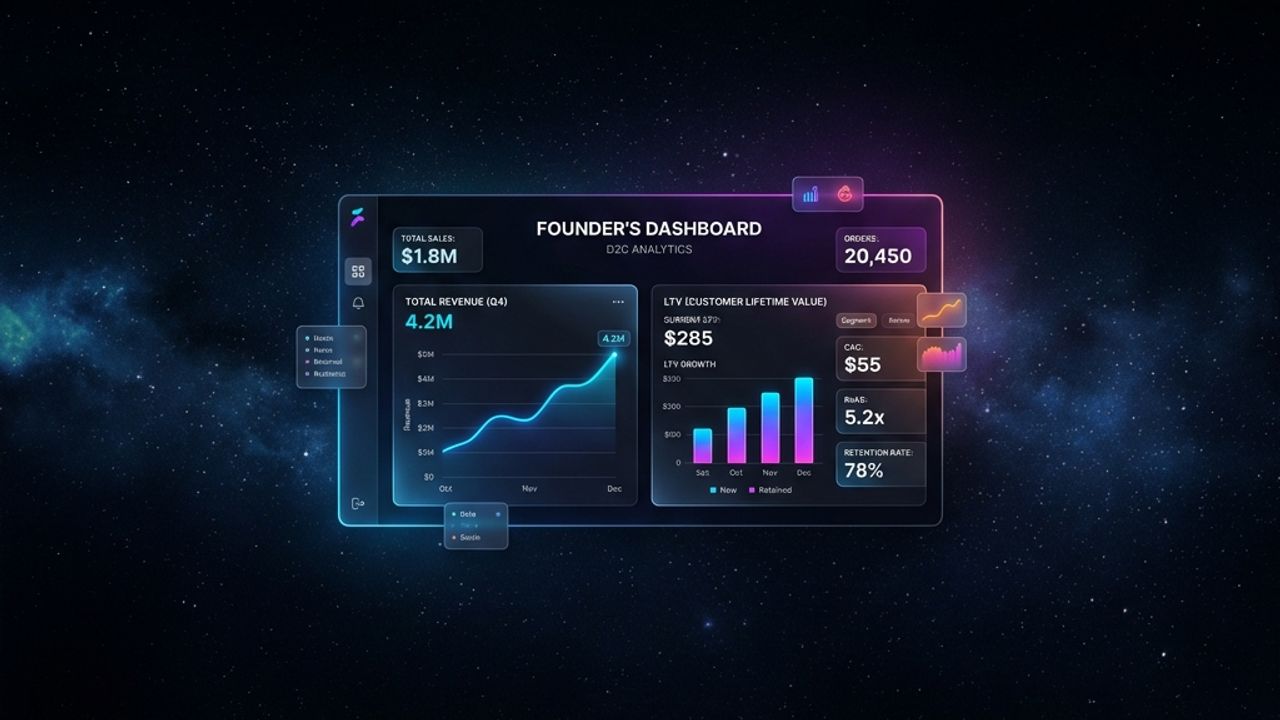
Flying blind will kill your company. Analyze your data to spot leaks in your funnel. Watch these numbers every single week.
Customer Acquisition Cost (CAC) Total ad spend divided by new customers acquired. It must align with your gross margin contribution.
Customer Lifetime Value (LTV) Total cash generated by a customer over their lifespan. Aim for a minimum 3x higher than your CAC over 12 months.
Return on Ad Spend (ROAS) Total revenue divided by total ad spend. You want over 2.5x, but it's heavily dependent on your profit margins.
Average Order Value (AOV) Average cash spent in a single transaction. Push cross-sells hard to raise this number.
Conversion Rate Percentage of visitors who actually complete a purchase. Look for between 1.5% and 3% for a healthy store.
Repeat Purchase Rate Percentage of buyers who come back for round two. Over 25% is great if you sell consumable goods.
Cart Abandonment Rate Percentage of users who load a cart and bail out. Keep it below 65% using automated email flows.
Customer Retention Rate Percentage of customers retained over a set timeframe. Look for steady month-on-month cohort retention.
Net Promoter Score (NPS) Customer satisfaction rating based on referrals. Anything above 50 means you have real brand loyalty.
Profit Margin Percentage of net cash left after you pay all the bills. Ensure the margins actually support your ad bids.
Technology Stack for D2C Brands
Think of your tech stack as the engine room. It tracks the boxes, processes the cash, and fires off the emails. You need tools that actually talk to each other without breaking:
Shopify: The absolute core platform for your site, product catalog, and checkout flow.
CRM and Email: Use Klaviyo or HubSpot to track what users do and hit them with automated emails.
Analytics: Run Google Analytics 4 and Triple Whale to figure out exactly which ads are actually making money.
Payment Gateways: Razorpay or PayU to process those UPI and credit card hits securely.
Logistics: Shiprocket or Delhivery to aggregate shipping rates and manage regional distribution hubs.
Inventory Sync: Tools like Unicommerce or Increff stop you from overselling by syncing stock across all apps.
Support Desk: Gorgias or Zendesk pulls all emails, live chats, and WhatsApp messages into one single inbox.
Common Mistakes That Stop D2C Brands from Scaling
Most founders hit a brick wall because they make the exact same unforced errors. Dodge these traps:
If you get hooked on just one ad platform like Meta, a sudden algorithm shift will completely destroy your business overnight.
If you ignore organic SEO, your traffic instantly dies the second you turn off your paid ads.
Blowing your whole budget on acquiring new buyers while completely ignoring the ones you already have is a huge mistake.
If your page takes over three seconds to load, half your traffic is just going to bounce.
Vague product descriptions and hidden shipping fees instantly kill trust.
Selling a generic widget without a mission or a story makes you completely replaceable.
Best D2C Brand Examples
Look at the operators who already figured it out. These Indian brands built massive businesses by dominating a specific niche early on.
BoAt: - They took boring audio gear and turned it into a fashion statement. They focused heavily on trendy designs and absolutely crushed it on the big marketplaces.
Mamaearth: - They went all in on natural baby and skin care products. The founders validated everything online before they ever stepped foot into a physical retail store.
Minimalist: - They completely disrupted the skincare space by printing the exact active ingredient percentages right on the bottle. Radical transparency worked way better than expensive celebrity ads.
The Whole Truth: - They printed every single ingredient on the front of the wrapper in massive text. Health-conscious buyers loved the honesty and bought in immediately.
Atomberg: - They stuck smart, energy-efficient motors inside standard ceiling fans. They proved the model online first, then pushed hard into offline retail before going public.
SNITCH: - They built a hyper-fast supply chain for men's fashion. They spot a new trend and have the clothes sitting on the shelf in under 25 days.
The Souled Store: - They built a cult community around licensed pop-culture shirt. By focusing purely on superfans, their repeat purchase metrics are through the roof.
Sleepy Owl: - They made premium coffee stupidly easy to make at home. Their cold brew bags and instant coffee completely shifted the home-brewing market.
Blue Tokai: - They roasted specialty beans locally and built a hybrid network. Their online subscription service perfectly feeds into their physical cafe locations.
Wow Skin Science: - They rode the organic apple cider vinegar wave perfectly. They scaled aggressively through marketplace ads and a tight direct web funnel.
Future of D2C in India (2026–2030)
The next wave of commerce is all about speed, automation, and open networks. Here is where the puck is going:
The ONDC network connects small sellers directly to massive consumer apps, which levels the playing field completely.
Shopping assistants will start rebuilding website layouts in real-time based on what they think the user wants to see.
Getting shampoo delivered in ten minutes isn't a luxury anymore. It will be the absolute standard expectation.
Buying things directly through a quick voice prompt or a WhatsApp chat message will take off massively.
Frequently Asked Questions
What is a D2C brand?
A direct-to-consumer brand builds and sells its own product straight to the buyer using its own website. They bypass traditional middlemen completely.
Is D2C profitable?
It can be wildly profitable if you protect your gross margins (keep them above 60%) and force repeat purchases. If your acquisition cost is lower than your lifetime value, you make money.
How much investment is needed to start a D2C brand?
You can launch with under 5,000 dollars. That covers a basic Shopify setup, some test ads, and a tiny bit of starter inventory. Scaling is what requires the real cash.
Can small businesses start D2C?
Absolutely. Small teams use Shopify, local payment gateways, and shipping aggregators to run the entire backend. You don't need a massive warehouse anymore.
Which platform is best for building a D2C website?
Shopify is the undisputed king. It handles the hosting, it rarely crashes, and the app ecosystem is massive.
Is Shopify better than WooCommerce for D2C?
Shopify is just far better for scaling. It handles all the security and backend updates automatically, whereas WooCommerce requires you to manually patch and fix things when they break.
How important is SEO for D2C brands?
It is critical for survival. SEO brings in free traffic. When ad costs inevitably spike, that organic search traffic keeps your blended acquisition costs low.
What is Customer Acquisition Cost (CAC)?
It is the total cash you spend on marketing divided by the exact number of new buyers you actually acquired.
What is Customer Lifetime Value (LTV)?
It is the total net margin a single customer brings to your business over the entire time they shop with you.
How do D2C brands make money?
They capture the full retail markup. Instead of giving 40% to a wholesale distributor and another 20% to a retail store, the brand just keeps it all.
What is the difference between D2C and B2C?
D2C is a specific setup where the creator sells directly. B2C is a broad term for any business selling to a consumer, including massive third-party retail chains.
How long does it take to scale a D2C brand?
Expect twelve to twenty-four months of brutal testing. You have to dial in the ads, fix the logistics, and figure out what the market actually wants.
Can I run a D2C brand without physical inventory?
Not really. Selling without owning the inventory is just dropshipping. A real D2C brand controls the product quality and the entire unboxing experience.
How do returns affect D2C profitability?
They can completely destroy your profit. In India, cash-on-delivery returns often hit 30%. You pay for the shipping both ways and make absolutely zero dollars on the deal.
Why do most D2C brands fail?
They fail because ad costs get way too high, they ignore customer retention entirely, or their logistics fall apart. Relying entirely on paid ads is usually the nail in the coffin.
Conclusion
Building a successful direct-to-consumer brand really comes down to three basic things. You need a killer product. You need to own the first-party data. And you absolutely must build a repeat purchase loop.
If you want to upgrade your marketing engine and build a real scaling playbook, partner with Digital Triangle today. They build high-converting website themes, run tight paid campaigns, and set up the email flows that keep buyers coming back for more.
Free Strategy Call
Want us to apply this to your brand?
Book a free 30-min call with our team and get a custom growth plan.
Book Free Call →